Stainless steel watch buckle manufacturer
Stainless steel watch buckle manufacturer
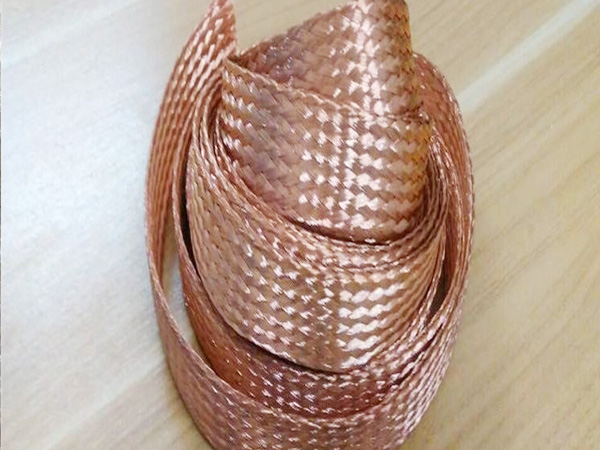
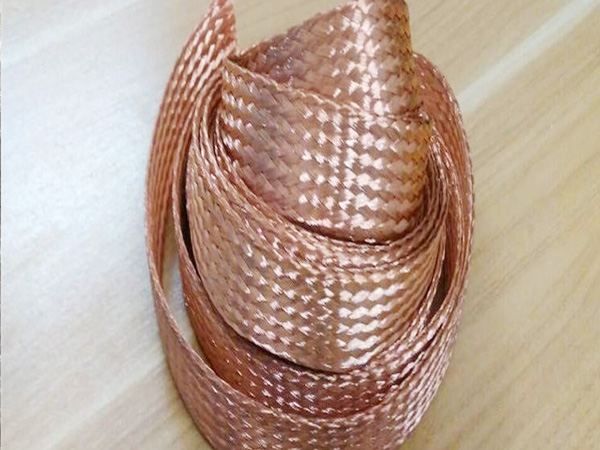
After the yarn warp tube and the coiled weft form the weft tube, it is inserted into the fixed tooth seat of the knitting machine. The weft tube rotates and moves along an 8-shaped track to pull the yarns to interweave with each other. Generally, when the number of spindles is even, the woven tape is tubular; when the number of spindles is odd, the woven tape is flat sheet. The spindle weaving technique was first applied in old China. The number of spindles varies from 9 to 100 depending on the equipment. The basic process flow of weaving is: bleaching and dyeing - weft winding - weaving - machine setting and cutting - packaging. Since 1960, multiple technological innovations have been carried out on the weaving machine, mainly including the expansion of the diameter of the peach-shaped plate, the installation of an automatic stop device for broken rubber bands, and the replacement of iron ingots with nylon ingots. The improvements on these devices have increased the vehicle speed to 160 to 190 revolutions per minute, doubled the stand rate, and significantly enhanced the product quality.
Weaving not only involves weaving tapes but also ropes. Tubular tape is a type of braided rope. Those with a diameter of 1 to 4 centimeters are called ropes or rope threads. Those with a diameter greater than 4 centimeters are also called ropes, and those with a diameter greater than 40 centimeters are generally called cables or cable ropes. In 1989, the industry introduced eight-strand cable production line equipment from Japan and produced polypropylene eight-strand cables the following year.
Mr. Yan:+86 137-9842-3393
Website:www.lingswj.com
Address: No. 15, Lane 4, Shili Village, Dasha, Dalingshan Town, Dongguan City, Guangdong Province, ChinaCopyright © 2025 Dongguan Ling Shun Hardware Products Co., Ltd All rights reserved
本站相关网页素材及相关资源均来源互联网,如有侵权请速告知,我们将会在24小时内删除